1. RAM — Always Buy 16 GB in 2026
Every laptop on this list comes with 16 GB of RAM — and that’s the right decision for 2026. Even the MacBook Neo’s 8 GB of unified memory behaves like 12–16 GB on Windows, thanks to macOS memory management. If you find any other laptop offering only 8 GB, skip it. With Chrome, VS Code, Discord, and Zoom all running together, 8 GB runs out quickly and forces the system to use the SSD as slow overflow memory — making everything sluggish.
2. Processor Generations Matter More Than Clock Speed
A higher GHz number alone tells you nothing. What matters is the process node and architecture:
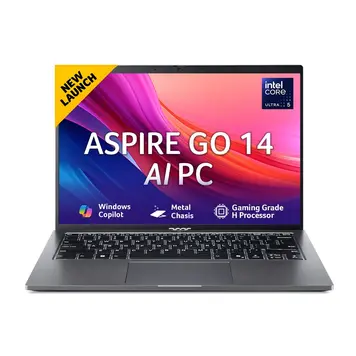
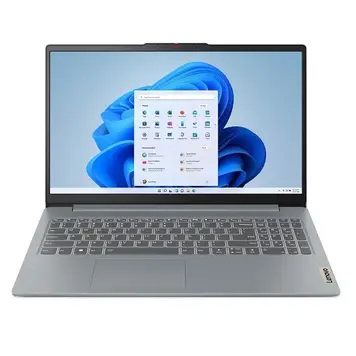
- Intel Core Ultra 5 125H (Intel 4 / 7nm): Best overall — 14 cores, dedicated NPU, Intel Arc GPU. Best for coding and multitasking.
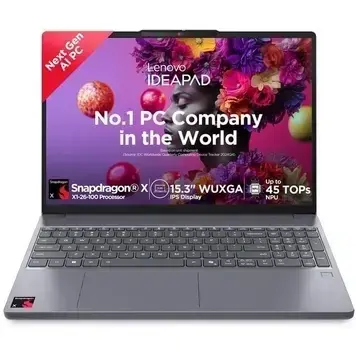
- Snapdragon X X1-26-100 (TSMC 4nm): Best battery — runs cooler, quieter, and longer. Best for battery life and portability.
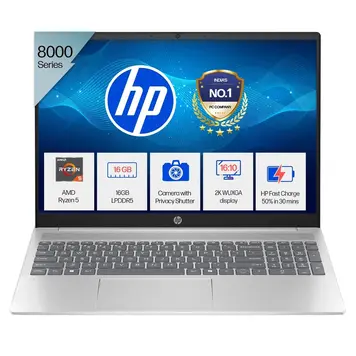
- AMD Ryzen 5 8540U (TSMC 4nm): Best for webcam performance and compatibility with all software. No dedicated NPU on this variant.
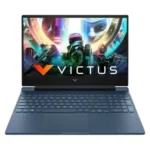
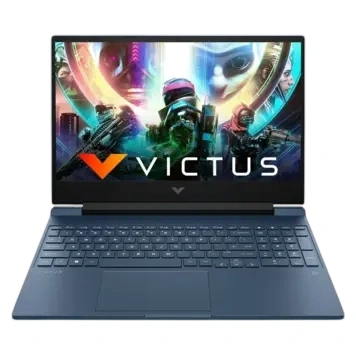
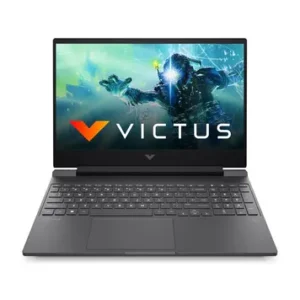
- Intel Core i5-12450H (Intel 7 / 10nm): Older but proven — good for coding, excellent if paired with a dedicated GPU (Victus 15).
- Apple A18 Pro (TSMC 3nm): Most efficient — best single-core speed, completely silent operation, best display.
3. Display Aspect Ratio — 16:10 vs 16:9
Eight of the ten laptops on this list use a 16:10 aspect ratio, giving you about 10% more vertical screen space than traditional 16:9 displays. For students reading research papers, writing code, or managing spreadsheets, this extra height makes a real difference — you see more content without scrolling.
4. ARM Laptops (Snapdragon) — Should You Buy One?
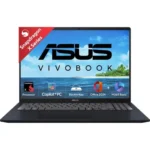
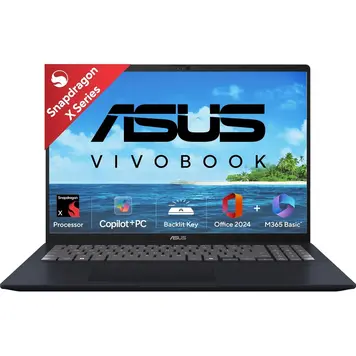
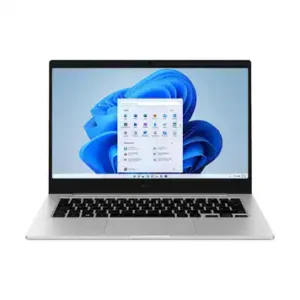
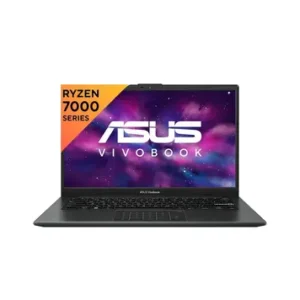
The three Snapdragon X laptops on this list (ASUS Vivobook 16, Lenovo Slim 3x, Samsung Galaxy Book 4) use ARM processors instead of the traditional x86/x64 architecture. Modern Windows 11 runs x86 apps through an emulation layer called Prism, and most everyday software — Chrome, Office, VS Code, Zoom, Discord, Python, Java — runs without issue. The two things to watch for:
- Very old 32-bit applications will not run on ARM Windows.
- Some device drivers (for older printers, scanners, or lab equipment) may not have ARM versions.
For most commerce, arts, and science students, Snapdragon laptops are excellent. For engineering students needing specific lab software, check compatibility before buying.
5. OLED vs IPS Display — Is OLED Worth It Under ₹60,000?
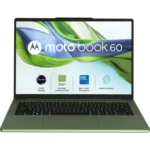
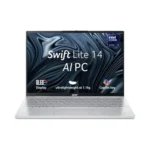
Two laptops on our list have OLED panels: the Motorola Motobook 60 (2.8K, 120Hz, 100% DCI-P3) and the Acer Swift Lite OLED (WUXGA, 60Hz, 100% DCI-P3). OLED displays have perfect blacks, infinite contrast, and accurate colour — but they consume more power than IPS, reducing battery life by 1–2 hours. If you work with photos, videos, or design, OLED is worth it. For coders and writers, a good 16:10 IPS is perfectly sufficient.
6. Weight — Critical for Commuting Students
| Weight |
Laptops |
Ideal For |
| Under 1.1 kg |
Acer Swift Lite OLED (0.99–1.10 kg) |
Long daily commutes, light travellers |
| 1.1–1.5 kg |
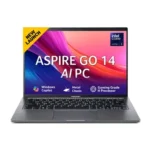
MacBook Neo (1.23 kg), Galaxy Book 4 (1.5 kg), Acer Aspire Go (1.5 kg) |
Comfortable all-day carry |
| 1.5–1.8 kg |
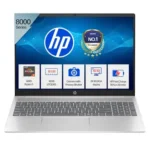
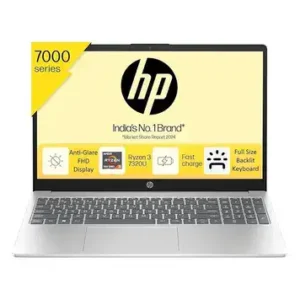
Lenovo Slim 3x (1.55 kg), Lenovo Slim 3 15IAH8 (1.62 kg), Motobook 60 (1.39 kg), HP Pavilion 16 (1.79 kg) |
Comfortable for campus, bus, train |
| 1.8+ kg |
ASUS Vivobook 16 (1.88 kg), HP Victus 15 (2.3 kg) |
Primarily desk use — heavy for daily carry |
7. How to Get the Best Price on These Laptops
- Student discount: Apple, HP, Lenovo, and ASUS offer 5–15% off with a college ID or UNiDAYS. The MacBook Neo drops from ₹69,900 to ₹59,900 this way.
- Bank offers: Most of these laptops have ₹2,000–5,000 instant discounts with SBI, HDFC, or Axis bank cards on Flipkart and Amazon.
- Exchange offers: Flipkart often gives ₹5,000–15,000 off for an old laptop trade-in.
- Best time to buy: Flipkart Big Billion Days (October) and Amazon Great Indian Festival are the best sale periods for laptop deals in India.















User Comments
No comments yet. Be the first to share your thoughts!
Leave a Comment