Pros:
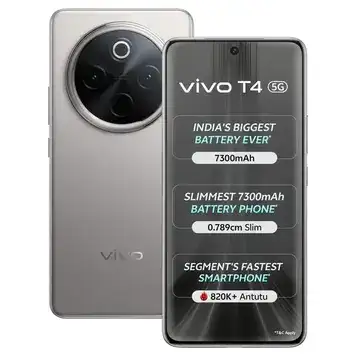
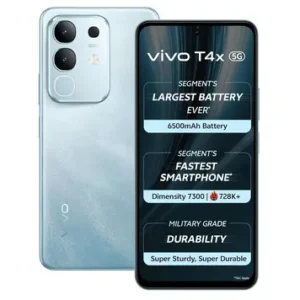
Exceptional Battery Life: The 7300mAh battery provides unmatched endurance in this price segment. Heavy users get 1.5-2 full days between charges. Light users can stretch to 3 days. This is India’s largest smartphone battery and it shows in real-world usage.
Fast Charging Despite Large Battery: The 90W FlashCharge technology charges 0-50% in just 25-30 minutes. Full charge takes around 45 minutes. This quick charging is impressive considering the massive battery capacity. The Bypass Charging feature reduces heat during charging.
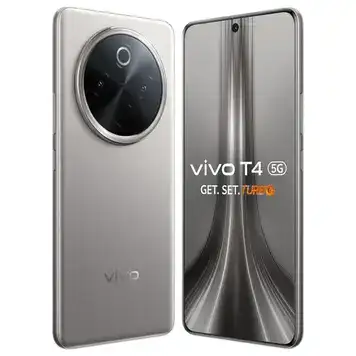
Slim Design Despite Huge Battery: At just 7.89mm thickness, the phone is remarkably slim for packing a 7300mAh battery. The 199-gram weight feels comfortable. This engineering achievement makes the phone practical for daily use unlike bulky battery phones.
Premium Display Experience: The 120Hz AMOLED display delivers smooth scrolling and vibrant colors. The 5000 nits peak brightness ensures excellent outdoor visibility. The quad-curved design creates a premium aesthetic. The display quality exceeds expectations for this price.
Good Performance for Price: The Snapdragon 7s Gen 3 handles daily tasks smoothly. Apps open quickly. Gaming works well at medium settings. The 120Hz refresh rate remains consistent. The phone maintains 93% performance during sustained heavy use showing good thermal management.
Durability Certifications: IP65 water resistance protects against splashes and dust. MIL-STD-810H certification indicates testing for drops, vibrations, and temperature extremes. These features add practical durability missing from many competitors.
Latest Software: Android 15 with Funtouch OS 15 provides current features. Vivo promises 2 years of OS updates and 3 years of security patches. The phone will stay secure through 2028.
Practical Features: The IR blaster controls TVs and air conditioners. Wet-hand touch works in rain or kitchen. The in-display fingerprint scanner unlocks quickly. OTG support connects accessories.
Cons:
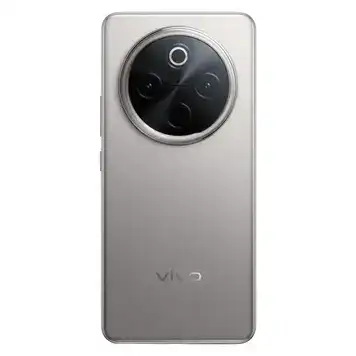
Average Camera System: The dual camera setup lacks an ultra-wide lens for landscape shots. The 2MP depth sensor provides no real benefit. Photography enthusiasts will find the camera limiting compared to competitors with triple camera systems. Macro shots struggle with focus.
Plastic Build Quality: The composite plastic back and plastic frame feel less premium than metal or glass. While functional and durable, the materials don’t feel as high-end as competitors. Fingerprints don’t show easily which is a plus.
Mono Speaker Disappoints: The single bottom-firing speaker provides basic sound quality. This is a downgrade from the previous T3 model which had stereo speakers. Media consumers will notice inferior audio. The lack of stereo speakers hurts the multimedia experience.
No Headphone Jack: The missing 3.5mm audio jack requires adapters or wireless headphones. This inconveniences users with wired headphones and increases accessory costs. Budget-conscious buyers may find this frustrating.
Older Storage Technology: The UFS 2.2 storage is slower than UFS 3.1 found in some competitors. Apps take 0.5-1 second longer to open. File transfers are slower. While adequate for most users, power users will notice the difference.
No Wireless Charging: The specifications show only wired charging support. Buyers expecting wireless charging convenience need to look elsewhere. This feature is becoming common in mid-range phones.
No NFC: The absence of NFC means no contactless payments. Users wanting UPI tap-and-pay or other NFC features cannot use them. This limits payment options.
Software Smoothening in Selfies: The front camera applies noticeable skin smoothening. While some users like this, others prefer natural results. The smoothening cannot be fully disabled.










User Comments
No comments yet. Be the first to share your thoughts!
Leave a Comment